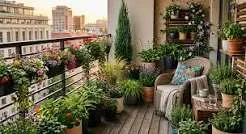
You do not need a big backyard to grow fresh food and beautiful flowers. A sunny windowsill, a narrow balcony, or a few square feet of patio can hold more plants than you might think. Small-space gardening is all about working smart with the room you have, and millions of people across the U.S. are already doing it in apartments, townhomes, and city rowhouses.
This guide walks you through everything you need to get started. You will learn how to size up your space, choose the right containers, pick plants that actually do well in tight spots, and avoid the mistakes that trip up most beginners.
Why Small-Space Gardening Is Worth Your Time
Growing plants at home is good for more than your dinner plate. A few pots of herbs can save you money at the grocery store, and a tomato picked ripe from your own balcony tastes far better than most store-bought ones. Plants also make a living space feel calmer, and many people find that a few minutes of watering and pruning is a nice break from a busy day.
There is a practical side too. A small garden is easy to manage. You will not spend your weekends pulling weeds across a huge lawn. Most small gardens take 10 to 20 minutes a day, and some take even less. If you rent, container gardens have one more perk: you can take them with you when you move.
Start by Looking at Your Space
Before you buy a single pot, take a good look at what you are working with. This one step saves a lot of money and frustration later.
Check the Sunlight
Light is the most important factor in any garden. Spend a day watching your space and note how many hours of direct sun it gets.
- Full sun means six or more hours of direct sunlight. Most vegetables and many flowers need this.
- Part sun or part shade means about three to six hours. Leafy greens and many herbs are happy here.
- Shade means less than three hours of direct light. Ferns, hostas, and some mint varieties can handle it.
South-facing spaces in the Northern Hemisphere usually get the most light. West-facing spots get strong afternoon sun, which can be hot in summer. East-facing spots get gentler morning light, and north-facing spots are the shadiest.
Know Your Climate Zone
The USDA Plant Hardiness Zone Map divides the country into zones based on average winter lows. You can look up your zip code on the USDA website in a few seconds. Your zone tells you which perennials will survive winter outdoors and roughly when your last spring frost and first fall frost arrive. Even if you only grow in pots, this helps you time your planting.
Think About Weight, Wind, and Rules
Balconies have limits. Wet soil and large pots are heavy, so check the weight rules for your building if you are unsure. High balconies can also be windy, which dries out soil quickly and can knock over tall plants. If you rent or live in an HOA community, read your lease or community rules before setting up large planters or hanging systems on railings.
Choose the Right Containers
Containers are the heart of most small gardens, and picking good ones makes a real difference.
Drainage is a must. Every pot needs holes in the bottom. Plants sitting in standing water develop root rot, and that is one of the most common reasons container plants die.
Size matters more than you think. A pot that is too small dries out fast and stunts the plant. As a general guide:
- Herbs like basil and parsley: 6 to 8 inches wide
- Lettuce and salad greens: shallow containers, 6 inches deep
- Peppers and bush beans: 5-gallon containers
- Tomatoes: at least 5 gallons, and bigger is better
Material changes how often you water. Terra cotta looks lovely but dries out quickly. Plastic and glazed ceramic hold moisture longer. Fabric grow bags are light, drain well, and are easy to store in the off-season. Pick what fits your lifestyle. If you tend to forget about watering, plastic or glazed pots are more forgiving.
You can use what you already have. Large food-safe buckets, wooden crates, and old storage bins all work, as long as you drill drainage holes and the material has not held anything harmful.
Use the Soil That Plants Actually Like
Do not scoop dirt from the yard or a park and put it in a pot. Garden soil gets compacted in containers, drains poorly, and may carry weeds or pests. Buy a quality potting mix labeled for containers instead. Many mixes already include perlite or peat moss to keep the soil loose and airy.
Container plants use up nutrients faster than plants in the ground, because every watering flushes some nutrients out through the drainage holes. Mix a slow-release fertilizer into the soil at planting time, or feed your plants with a liquid fertilizer every few weeks during the growing season. Adding a handful of compost each spring also keeps the soil healthy.
Grow Up, Not Out: Vertical Gardening Ideas
When floor space runs out, look at your walls, railings, and ceiling. Going vertical is the single best trick for a small garden.
Trellises and cages. Pole beans, peas, cucumbers, and small squash varieties love to climb. A simple trellis tucked into a pot gives them a path upward and keeps the fruit off the ground.
Wall planters and pocket organizers. Fabric pocket planters or mounted metal planters turn a bare wall or fence into a herb garden. Just make sure they get enough sun and are easy to water.
Hanging baskets. Strawberries, trailing flowers, and cherry tomatoes grow well in baskets. Hang them from a sturdy hook or the balcony ceiling.
Tiered plant stands. A tall stand with several shelves lets you grow a dozen small pots in the footprint of one. Place sun-loving plants on the top shelf and shade-tolerant ones lower down.
Railing planters. Planters that hook over a balcony rail are great for herbs and lettuce. Check that they are secure, and keep in mind that wind and falling dirt can affect neighbors below.
The Best Plants for Small Spaces
Some plants are simply better suited to tight quarters. Look for words like “compact,” “dwarf,” “bush,” or “patio” on the plant tag.
Herbs
Herbs are the easiest place to start. They are small, they grow fast, and you will use them constantly in the kitchen.
- Basil loves heat and full sun. Pinch off the top leaves often so it grows bushy instead of tall.
- Mint grows almost anywhere, but it spreads aggressively. Always keep it in its own pot.
- Chives are hardy, come back every year in many zones, and tolerate a little shade.
- Parsley, cilantro, and thyme all do well in medium pots with good drainage.
Vegetables
- Salad greens and lettuce grow in shallow containers and can be harvested leaf by leaf for weeks. They prefer cooler weather, so plant in spring and fall.
- Cherry tomatoes are far better suited to containers than large slicing tomatoes. Look for varieties bred for pots, often called “patio” or “tumbling” types.
- Radishes are ready in about a month, which makes them a fun, quick win for beginners.
- Peppers stay compact and produce well in pots, especially in warm, sunny spots.
- Bush beans and peas give you plenty of food from a small footprint.
- Green onions regrow easily, even from the root ends of store-bought bunches.
Flowers
Flowers bring color and attract helpful pollinators. Marigolds, petunias, pansies, nasturtiums, and zinnias are all reliable in containers. Nasturtium flowers and leaves are even edible, with a mild peppery flavor.
Indoor Options
No outdoor space at all? A bright window can still grow herbs, microgreens, pothos, snake plants, and small succulents. A basic LED grow light, which costs very little to run, can help in apartments with poor natural light or during dark winter months.
Watering Without the Guesswork
Overwatering and underwatering both cause trouble, and containers can swing from one to the other quickly.
The best tool you own is your finger. Push it about an inch into the soil. If it feels dry, water. If it feels damp, wait a day. Water slowly at the base of the plant until a little drains out the bottom, rather than splashing the leaves.
In summer heat, small pots in full sun may need water every day. A layer of mulch, even something simple like shredded bark or straw, slows evaporation and keeps roots cooler. If your schedule is hectic, a self-watering planter or a simple drip kit with a timer can keep things steady while you are at work or away for a weekend.
Water early in the morning when you can. This lets plants take up moisture before the heat of the day and keeps leaves from staying wet overnight, which can encourage disease.
Keep Pests and Problems in Check
Container gardens usually have fewer pest problems than big in-ground gardens, but they are not immune. Check your plants every few days when you water. Catching a problem early makes it far easier to fix.
- Aphids are tiny insects that cluster on new growth. A strong spray of water usually knocks them off, and insecticidal soap handles stubborn cases.
- Fungus gnats hover around soil that stays too wet. Let the top layer dry out between waterings.
- Yellow leaves often point to overwatering, though poor drainage or low nutrients can cause them too.
- Leggy, stretched growth means the plant wants more light.
Good airflow helps prevent most issues, so avoid packing pots tightly together. Removing dead leaves and spent flowers also keeps plants healthy and tidy.
Plan Your Seasons
A small garden can produce nearly year-round, depending on where you live.
Spring is the time for lettuce, peas, radishes, and herbs. Summer brings tomatoes, peppers, beans, and basil. Fall is great for a second round of greens and radishes, plus planting spring-blooming bulbs. Winter is a good time to bring tender plants indoors, protect hardy ones with burlap or a sheltered corner, and plan next year’s layout.
If you live in a cold climate, a rolling plant cart is helpful. You can move pots to the sunniest spot or bring them inside when a frost warning appears.
Common Beginner Mistakes to Avoid
Most first-time gardeners run into the same few problems, and all of them are easy to dodge.
- Starting too big. Begin with three to five pots, not twenty. Once you are comfortable, you can expand.
- Ignoring sunlight. A sun-loving tomato will not thrive in a shady corner no matter how much you fuss over it.
- Using pots without drainage. This is the number one plant killer.
- Crowding plants. Plants need room for roots and air. Follow the spacing on the seed packet or plant tag.
- Choosing the wrong plants. Pick varieties made for containers, and plants that match your light.
- Skipping feeding. Container soil runs low on nutrients, so feed regularly.
A Simple Starter Plan for Your First Month
If you are not sure where to begin, try this easy plan.
Week one: Observe your light and pick your spot. Buy three medium containers, a bag of potting mix, and a small bag of slow-release fertilizer.
Week two: Plant a pot of basil, a pot of lettuce, and one cherry tomato. Water well and place them in the sunniest area available.
Week three: Check the soil daily. Pinch back the basil, and start harvesting outer lettuce leaves once they are a few inches tall.
Week four: Add a trellis or stake for the tomato, and consider adding a pot of flowers for color. By now you will have a good sense of how much time and water your plants need.
Final Thoughts
Small-space gardening proves that great results do not depend on lots of land. With the right containers, a good potting mix, a sunny spot, and plants chosen for tight spaces, you can grow herbs, vegetables, and flowers almost anywhere. Start small, pay attention to what your plants tell you, and enjoy the learning process. Every gardener, including the experts, started with a single pot.
So pick a spot, grab a container, and plant something today. Your tiny garden may grow into your favorite corner of the home.