
You don’t need a yard, a balcony, or even a windowsill to grow something green. A kitchen table, a desk, or a bookshelf can hold a small garden that looks good and gives you fresh herbs or a bit of calm. Indoor tabletop gardens are one of the easiest ways to bring plants into your home, especially if you live in an apartment or a small house.
This guide shows you how to choose a spot, pick the right containers, and grow plants that do well on a table. You’ll also find simple project ideas, a plant chart, and answers to common questions. If you’re also thinking about outdoor options, our guide to small-space gardening covers balconies and patios.
In this guide:
- What an indoor tabletop garden is
- Why it’s worth trying
- Light and the right spot
- Containers and soil
- Best plants
- Project ideas
- Watering, feeding, and problems
- Pet safety, mistakes, FAQs
What Is an Indoor Tabletop Garden?
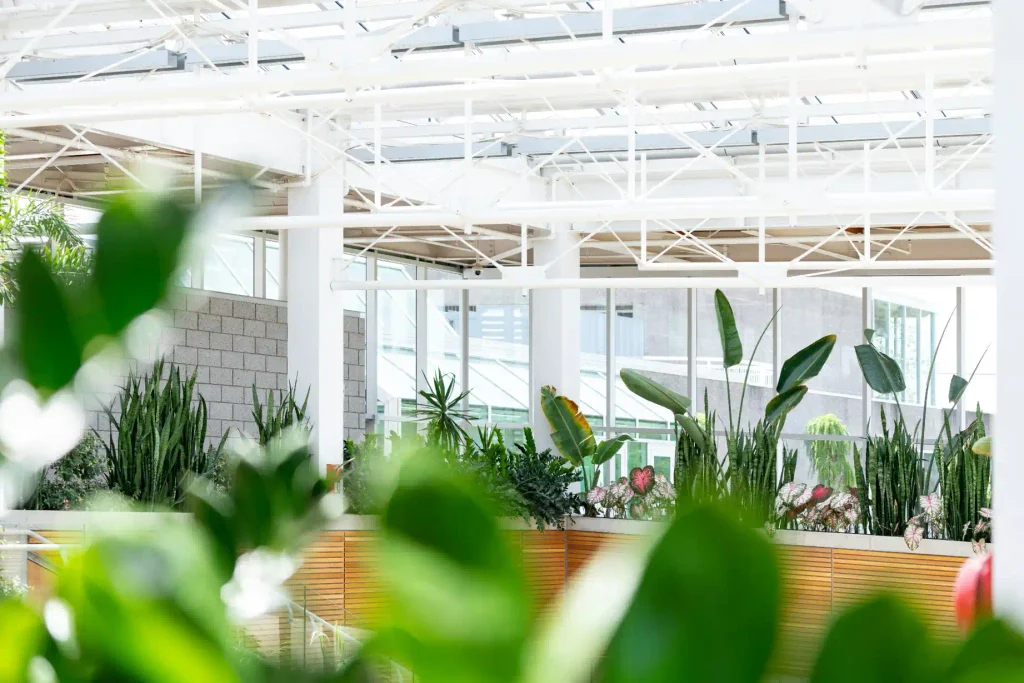
An indoor tabletop garden is a small group of plants grown in containers on a table, desk, shelf, or counter. It can be as simple as three herb pots on a tray, or as creative as a mini succulent bowl or a glass terrarium.
The idea is to keep things small and easy to move. Because everything sits on a surface, you can reach your plants, check them often, and rearrange them whenever you like. That makes tabletop gardens a friendly choice for beginners, renters, students, and anyone with limited space.
Why Grow a Tabletop Garden at Home?
There are plenty of good reasons to start one.
- It fits almost anywhere. If you have a table and a bit of light, you have enough room.
- It’s low effort. Most tabletop gardens need only a few minutes of care a few times a week.
- You can grow food. Fresh basil, chives, and salad greens are right there when you cook.
- It makes a room feel better. Plants add color and texture, and many people enjoy tending them as a quiet break during the day.
- It works all year. Cold weather outside doesn’t stop an indoor garden.
Find the Right Spot and Light
Light matters more than anything else in an indoor tabletop garden. A pretty arrangement won’t last long in a dark corner.
Start With Natural Light
Watch your room for a day and see where the sun lands. In the Northern Hemisphere, a south-facing window usually gives the strongest light. East-facing windows offer gentle morning sun, and west-facing ones bring hotter afternoon light. North-facing windows are the dimmest.
A simple guide:
- Bright light: a spot near a south or west window. Good for herbs, tomatoes, and most succulents.
- Medium light: a few feet back from a bright window, or near an east window. Good for many leafy plants.
- Low light: far from windows. Only a few tough plants can handle it.
If a plant gets tall, pale, and stretched out, it’s asking for more light.
When to Add a Grow Light
Short winter days and north-facing rooms can leave plants hungry for light. A small full-spectrum LED grow light solves that. Many models clip onto a shelf or sit on a stand, and they cost little to run. Place the light a few inches above the plants, following the directions on the package, and use a plug-in timer so it runs on a steady schedule. Herbs and greens usually do well with around 12 to 16 hours of light a day, including any sunlight they get.
Choose Containers for Your Indoor Tabletop Garden
The right container keeps roots healthy and your table clean.
Drainage Comes First
Pots with drainage holes are the safest choice, because plants sitting in soggy soil can develop root rot. Set each pot on a saucer or tray to catch the water that runs out. If you love a decorative bowl or ceramic planter with no holes, use it as an outer sleeve. Keep the plant in a plain nursery pot with holes, set it inside the pretty container, and lift it out when you water.
Pick the Right Size
Small containers dry out quickly, while oversized ones hold too much water. Here’s a handy guide:
| Plant type | Container size |
|---|---|
| Herbs (basil, parsley, chives) | 4 to 6 inches wide |
| Microgreens and lettuce | Shallow tray, 2 to 4 inches deep |
| Succulents and cacti | 3 to 5 inches wide, with holes |
| Small foliage plants | 4 to 6 inches wide |
Choose a Material
Terra cotta breathes and dries fast, which suits succulents. Glazed ceramic and plastic hold water longer, which is better for herbs and leafy plants. Wooden trays, glass jars, and repurposed tins can all work, as long as they’re clean and you can manage drainage.
Use the Right Soil and Feed Lightly
Skip garden soil. It gets heavy in pots and can bring in pests. Use a fresh potting mix made for containers. For succulents and cacti, choose a cactus mix, or blend regular potting mix with extra perlite or coarse sand so water drains quickly.
Plants in pots use up nutrients over time. Feed herbs and leafy plants with a diluted liquid fertilizer every few weeks in the growing season. Succulents need much less, so a light feeding a few times a year is plenty. Always follow the label, since too much fertilizer can burn roots.
Best Plants for Indoor Tabletop Gardens
Look for plants that stay small and handle indoor conditions. Here’s a quick chart, followed by details.
| Plant | Light | Watering | Good to know |
|---|---|---|---|
| Basil | Bright | Keep evenly moist | Pinch the tips to keep it bushy |
| Chives | Bright | When top inch is dry | Cut and it regrows |
| Parsley | Bright to medium | Keep lightly moist | Slow to start from seed |
| Microgreens | Bright | Mist or bottom water | Ready in about 1 to 2 weeks |
| Succulents | Bright | When soil is fully dry | Easy to overwater |
| Spider plant | Medium | When top inch is dry | Produces baby plantlets |
| Pothos | Low to medium | When top inch is dry | Trails nicely off a shelf |
| African violet | Bright, indirect | Water at the base | Blooms indoors |
Herbs
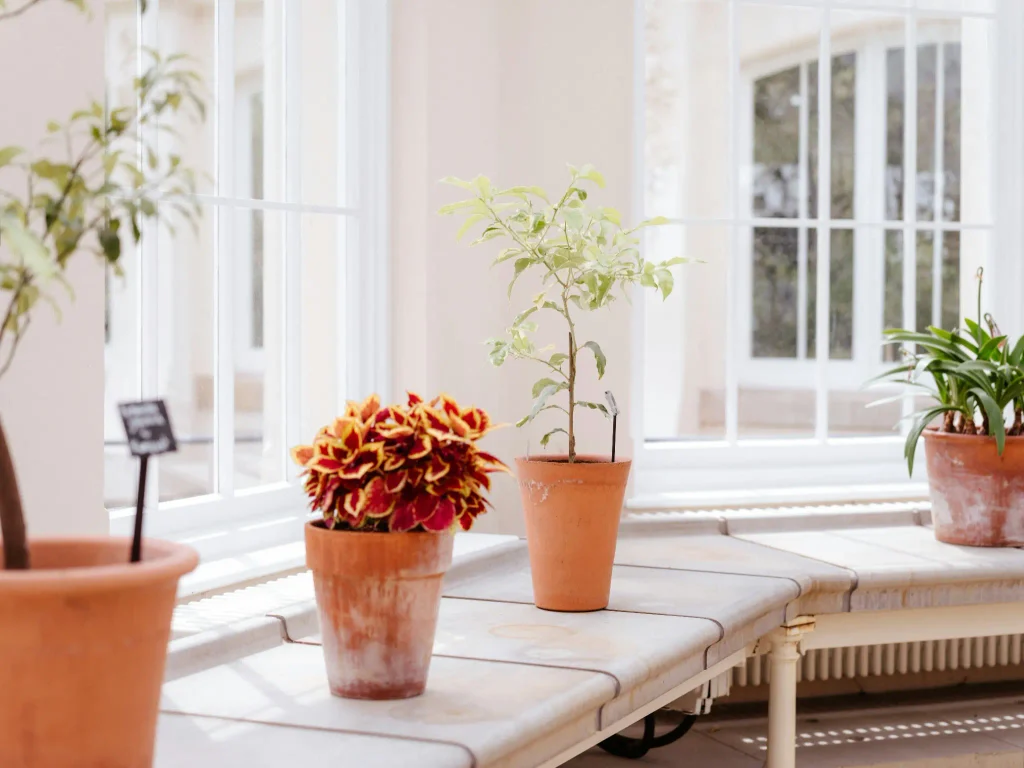
Herbs are the classic tabletop garden plant. Basil loves warmth and light, chives are forgiving, and parsley grows well in a medium pot. Mint is easy too, but it spreads, so keep it in its own container.
Microgreens and Salad Greens
Microgreens are tiny, nutritious seedlings you can cut with scissors. Sprinkle seeds on damp potting mix in a shallow tray, keep the surface moist, and harvest in one to two weeks. Radish, sunflower, and pea shoots are popular picks. Loose-leaf lettuce also grows well in a shallow container and can be picked leaf by leaf.
Succulents and Cacti
Succulents suit sunny tables and forgiving schedules. Echeveria, haworthia, and jade plants stay compact. The golden rule is to let the soil dry out completely between waterings.
Small Foliage Plants
For greenery without much fuss, try spider plants, pothos, and small ferns. They handle lower light better than herbs and add soft, leafy shapes to an arrangement.
Small Flowering Plants
African violets and mini orchids bring color indoors. They like bright, indirect light and steady watering, so they’re best for people who want a little more of a project.
Tabletop Garden Ideas to Try
Not sure how to arrange things? Start with one of these.
Herb tray. Place three to five small herb pots on a wooden or metal tray near a bright window. The tray catches drips and lets you carry everything to the sink.
Succulent bowl. Fill a shallow container (with drainage) with cactus mix and plant a few succulents close together. Top with a thin layer of small stones for a tidy look.
Microgreen tray. Use a shallow tray with drainage and a second tray underneath. Sow, mist, and harvest. It’s a quick win for beginners.
Glass terrarium. An open glass container with a layer of potting mix and a few small plants like ferns or moss makes a lovely centerpiece. Open terrariums are easier to care for than closed ones, because they don’t trap as much moisture.
Desk garden. One small pot of pothos or a spider plant on your desk is a simple way to start. Add a tiny clip-on light if your office is dim.
Kitchen counter garden. Keep basil, chives, and parsley near the stove. You’ll use them more when they’re right there.
Water Without the Guesswork
Overwatering is the most common reason indoor plants struggle. Instead of following a strict schedule, check the soil. Push your finger about an inch into the pot. If it feels dry, water. If it’s still damp, wait.
Water slowly until a little drains from the bottom, then empty the saucer after 15 to 30 minutes so roots don’t sit in water. Succulents need a deeper dry-out between drinks, while herbs and leafy plants like soil that stays lightly moist. Use room-temperature water, and try to water in the morning.
Indoor air can get dry in winter, especially near heaters. Grouping plants together helps a little, and a small humidifier can help moisture-loving plants. Keep pots away from vents and radiators.
Fix Common Problems Early
Check your plants every few days when you water. Small problems are easy to fix when you catch them early.
- Yellow leaves: often a sign of too much water. Let the soil dry and check drainage.
- Leggy, stretched growth: the plant needs more light.
- Brown, crispy tips: the air may be too dry, or the plant may have gone too long without water.
- Fungus gnats: tiny flies that love damp soil. Let the top layer dry between waterings.
- Aphids and other pests: rinse them off with water or use insecticidal soap, following the label.
- Mold on the soil surface: improve airflow, water less, and scrape off the top layer.
Keep Pets and Kids in Mind
Some common houseplants can upset a pet’s stomach or be harmful if chewed. If you have cats, dogs, or small children, check each plant before you bring it home. The ASPCA keeps a searchable toxic and non-toxic plant list that’s easy to use. Placing tabletop gardens on higher shelves can also help, though curious pets are good at finding their way up.
Common Beginner Mistakes to Avoid
- Starting too big. Begin with two or three plants and add more later.
- Skipping light. No plant thrives in a dark spot, no matter how well you care for it.
- Using pots without drainage. If you must use a decorative container, use it as an outer sleeve.
- Watering on a rigid schedule. Check the soil first.
- Crowding plants. Give roots and leaves some breathing room.
- Mixing plants with very different needs. Group thirsty plants together and dry-loving ones together.
- Forgetting to turn pots. Rotate plants every week or so to keep them growing evenly.
Your First Tabletop Garden in One Weekend
Saturday: Pick a bright spot. Buy three small pots with drainage, a saucer or tray, and a bag of potting mix. Choose one herb, one succulent, and one leafy plant.
Sunday: Plant everything, water lightly, and place the tray in your chosen spot. Check the soil every couple of days over the next week, and adjust the position if a plant looks stretched or scorched.
Within a few weeks, you’ll know how often your plants need water and how much light your table really gets. Then you can add more.
Frequently Asked Questions
What are the easiest plants for an indoor tabletop garden?
Chives, basil, pothos, spider plants, and haworthia succulents are all forgiving. Pick based on your light: herbs and succulents for bright spots, pothos and spider plants for medium light.
Do indoor tabletop gardens need a grow light?
Not always. A bright window can be enough for many plants. But in winter, or in rooms with weak light, a small LED grow light helps herbs and greens grow stronger.
How often should I water a tabletop garden?
It depends on the plant, pot, and room. Check the top inch of soil. Water herbs and leafy plants when it feels dry, and let succulents dry out completely first.
Can I grow a tabletop garden without drainage holes?
It’s risky. The safer way is to keep plants in nursery pots with holes and set them inside a decorative container. Closed or open terrariums are the exception, but they need very careful watering.
Can I grow vegetables in an indoor tabletop garden?
Yes, within limits. Microgreens, lettuce, and herbs do well. Larger crops like tomatoes need more space and strong light, so they’re better on a sunny windowsill or under a bigger grow light.
How do I keep pests away from indoor plants?
Check plants regularly, avoid overwatering, and keep leaves clean. If pests appear, move the plant away from others and treat it early.
Final Thoughts
Indoor tabletop gardens prove that you don’t need a lot of room to enjoy growing things. With good light, containers that drain, and plants matched to your space, you can build a small garden that’s easy to care for and nice to look at. Start with a few plants, learn what they like, and expand when you’re ready.
Looking for more ideas? Browse our Indoor & Tabletop Gardens category and our Plants & Plant Guides for more guides.