
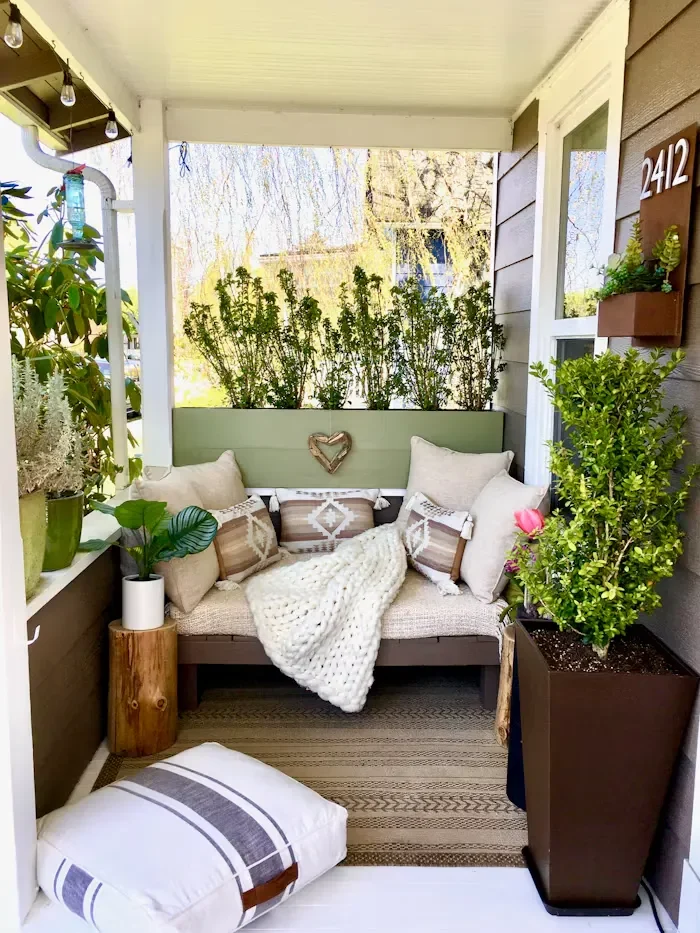
Living in an apartment, a rented house, or a home with only a balcony and a few shelves means every pot has to earn its spot. The best plants for small spaces are the ones that match your light, fit your routine, and stay a manageable size, and they are not always the ones that look best in a photo.
This guide helps you pick the right plants for a small space, shows you which ones are safe for pets, and covers the care basics that keep them alive. You’ll also find quick care cards for eight easy plants and answers to common questions. If you are working with very little room, our guide to small-space gardening is a good companion read.
Quick answer: For beginners in small spaces, the easiest plants are pothos, snake plant, spider plant, haworthia, and chives. If you have cats or dogs, choose spider plant, haworthia, peperomia, basil, or African violets instead, because pothos, snake plant, and jade are toxic to pets.
How to Choose the Right Plants for Your Space
The best plant is the one that fits your home. Three questions will narrow your options quickly: how much light you have, how much time you can give, and how much room is available.
Start With the Light You Actually Have
Light is the most important factor, and most plant problems begin here. Spend a day watching where sunlight lands in your room, then match plants to what you see.
Bright light: This is a spot right next to a sunny window. Herbs, succulents, and cacti usually do best here.
Medium light: This is a few feet back from a bright window, or near a window that gets gentle morning sun. Spider plants and peperomia are happy here.
Low light: This is a spot far from any window. Only tough plants such as pothos or snake plants can cope, and even they grow slowly. No plant thrives in total darkness.
A quick note on window direction: in the Northern Hemisphere (the US, UK, and Germany), south-facing windows give the strongest light and north-facing ones the weakest. In the Southern Hemisphere, including Australia, it is the opposite: north-facing windows are the brightest and south-facing ones are the dimmest.
Match Plants to Your Routine
Be honest about how much time you have. If you travel often or forget to water, choose forgiving plants like succulents, snake plants, or pothos. If you enjoy a little daily care, herbs and flowering plants will reward you.
Match Plants to Your Footprint
Measure the spot first. A narrow shelf suits small trailing plants, a sunny counter works for a few herb pots, and a bare corner can handle a larger floor plant. If you only have a table or desk, our guide to indoor tabletop gardens shows how to build a neat display in a small footprint.
Quick Care Cards: 8 Easy Plants for Small Spaces
Use these cards to compare plants before you buy. Pet safety is based on the ASPCA toxic and non-toxic plant list, so confirm any plant there before bringing it home.
Pothos (Epipremnum aureum)
- Light: Low to bright indirect
- Water: When the top inch of soil is dry
- Size: Trailing vines, easy to trim
- Pet-safe: No, toxic to cats and dogs
Snake Plant (Dracaena trifasciata)
- Light: Low to bright indirect
- Water: Every 2 to 3 weeks; let the soil dry fully
- Size: Upright, narrow, ideal for corners
- Pet-safe: No, toxic to cats and dogs
Spider Plant (Chlorophytum comosum)
- Light: Medium to bright indirect
- Water: When the top inch of soil is dry
- Size: Arching leaves, good for shelves and hanging pots
- Pet-safe: Yes
Peperomia
- Light: Medium indirect
- Water: Let the top half of the soil dry out
- Size: Compact, perfect for desks
- Pet-safe: Yes
Haworthia
- Light: Bright indirect
- Water: Every 2 to 3 weeks; let the soil dry fully
- Size: Small rosette, fits on a windowsill
- Pet-safe: Yes
Jade Plant (Crassula ovata)
- Light: Bright, some direct sun
- Water: Let the soil dry fully between drinks
- Size: Slow-growing, becomes woody over time
- Pet-safe: No, toxic to cats and dogs
Basil
- Light: Bright, 6 or more hours of sun
- Water: Keep lightly moist, never soggy
- Size: Compact in a small pot; pinch the tops to keep it bushy
- Pet-safe: Yes
African Violet
- Light: Bright indirect
- Water: Keep lightly moist; water the soil, not the leaves
- Size: Tiny, great for windowsills
- Pet-safe: Yes
Best Plants by Type
Plants with similar needs are easier to care for together, so grouping them keeps your routine simple.
Herbs
Basil, chives, parsley, thyme, and rosemary all do well in small pots on a bright windowsill. Basil likes warmth and steady moisture, while rosemary and thyme prefer to dry out between waterings. Mint grows fast and takes over, so give it a pot of its own.
Succulents and Cacti
Echeveria, Haworthia, and jade plants suit sunny spots and busy people. They store water in their leaves, so the biggest risk is too much water, not too little. Use a gritty cactus mix and let the soil dry out fully between drinks.
Foliage Plants
Spider plants, pothos, snake plants, and peperomia put up with average indoor conditions. They add soft shapes and green color without asking for much, and most handle medium or lower light better than herbs do.
Flowering Plants
African violets and mini orchids bring color indoors. They like bright but indirect light, so they suit people who want a little more of a project. African violets prefer soil that stays lightly moist. Orchids are different: let the potting mix dry slightly between waterings and never leave the roots sitting in water.
Microgreens and Salad Greens
Microgreens grow in a shallow tray and are ready to cut in one to two weeks. Radish, sunflower, and pea shoots are easy starters. Loose-leaf lettuce also grows well in a wide, shallow pot and can be picked leaf by leaf.
Pet-Safe Plants for Small Spaces
If you share your home with cats, dogs, or small kids, safety comes first. Many popular houseplants cause drooling, vomiting, or stomach upset when chewed, and a few can be serious.
Generally pet-safe choices (per the ASPCA list):
- Spider plant
- Peperomia
- Haworthia
- African violet
- Basil
- Rosemary
- Thyme
- Sage
Common beginner plants that are NOT pet-safe:
- Pothos
- Snake plant
- Jade plant
- Aloe vera
Before you buy any plant, search its name on the ASPCA toxic and non-toxic plant list. Use both the common name and the Latin name when you can, since similar-sounding plants are sometimes very different. If your pet chews a plant and acts unwell, call your vet or an animal poison hotline right away.
A high shelf helps, but don’t rely on height alone. Curious cats can climb almost anywhere.
Care Basics for Small-Space Plants
Once you know which plants you want, a few habits keep nearly all of them healthy.
Watering the Smart Way
Overwatering is the most common reason indoor plants struggle. Skip the strict schedule and check the soil instead. Push a finger about an inch into the pot. If it feels dry, water. If it’s still damp, wait a day or two.
When you do water, do it slowly until a little runs out the bottom, then empty the saucer after 15 to 30 minutes. Succulents and cacti need a longer dry spell, while herbs and leafy plants like soil that stays lightly moist.
Soil and Pots
Use fresh potting mix made for containers, because garden soil gets heavy in pots and can bring in pests. For succulents, choose a cactus mix or add extra perlite so water drains fast. Always pick a pot with drainage holes. Mature size matters too: check how big a plant will get so it doesn’t outgrow your shelf in three months.
Feeding
Plants slowly use up the nutrients in their pots. During spring and summer, feed most plants with a diluted liquid fertilizer every few weeks. Cut back in winter, and always follow the label, because too much fertilizer can burn roots.
Repotting
Most small plants need a bigger pot every year or two. Signs it’s time include roots poking out of the drainage holes, water running straight through, or slowed growth. Choose a pot only one size larger, since a much bigger pot holds extra water and can lead to root rot.
Fix Common Plant Problems Early
Check your plants every few days. Small problems are easy to fix when you catch them early, and your plant will usually tell you what it needs.
Problem
Likely cause
Fix
Yellow leaves Too much water Let the soil dry out and make sure the pot drains well
Leggy, stretched growth Not enough light Move closer to a window or add a small LED grow light.
Brown, crispy tips Dry air or long gaps between waterings Keep pots away from heaters and vents.
Fungus gnats Constantly damp soil Let the top layer dry between waterings
Aphids and other pests Pest infestation Rinse with water or use insecticidal soap, and isolate the plant
Mold on the soil Too much water, poor airflow Water less, improve airflow, scrape off the top layer
Beginner Mistakes to Avoid
- Buying too many plants at once. Start with two or three and add more once you know your light.
- Ignoring light. No plant thrives in a dark corner, however good your care is.
- Skipping drainage holes. If you love a decorative pot, use it as an outer sleeve and keep the plant in a plain pot with holes.
- Watering on a rigid schedule. Check the soil first, every time.
- Mixing plants with opposite needs. Keep thirsty plants together and dry-loving ones together.
- Skipping the pet check. Look up each plant before you bring it home.
Frequently Asked Questions
What are the best plants for small spaces?
Pothos, spider plants, snake plants, haworthia, peperomia, and herbs like basil and chives are all compact and forgiving. If you have pets, choose spider plant, peperomia, haworthia, or basil.
What are the easiest plants for beginners?
Pothos, spider plants, snake plants, haworthia, and chives are all forgiving. If you have pets, check each plant on the ASPCA list before you buy.
How do I know how much light my plant needs?
Check the plant’s care card first, then compare it to your room. If a plant grows tall, pale, and stretched, it needs more light. If its leaves look scorched or bleached, it’s getting too much.
How often should I water my plants?
It depends on the plant, pot, and season, so check the top inch of soil instead of following a calendar. Water most plants when it feels dry, and let succulents dry out fully first.
Can I keep plants in pots without drainage holes?
It’s risky because water collects at the bottom and can rot the roots. The safer way is to keep the plant in a nursery pot with holes and set it inside the decorative pot.
Do plants really need a grow light?
Not always. A bright window is enough for many plants. In winter or in dim rooms, though, a small LED grow light can keep herbs and leafy plants growing well.
How can I check if a plant is safe for my pets?
The ASPCA keeps a searchable list of toxic and non-toxic plants. Search the exact plant name before you buy, since similar plants can differ.
Final Thoughts
Choosing the best plants for small spaces comes down to three things: match each plant to your light, your routine, and your room; check pet safety before you buy; and keep your care simple. Start small, watch how your plants respond, and add more when you feel ready.
Want more ideas? Browse our Plants & Plant Guides category, explore Indoor & Tabletop Gardens, or read our full guide to small-space gardening.