
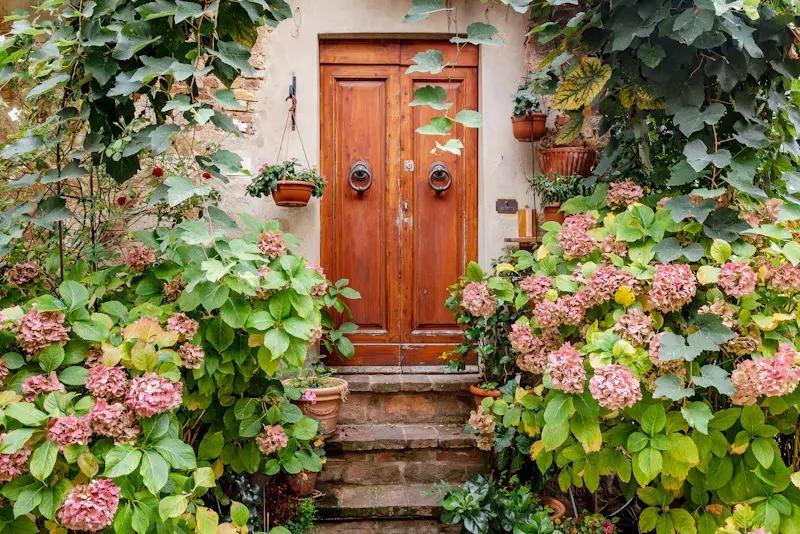
Knowing how to decorate a garden is mostly about a few smart choices, not a big budget. A handful of well-chosen pots, some warm lighting, and one comfortable chair can turn a patch of plants into a place you actually want to sit in, and most of it fits into a weekend.
This step-by-step guide shows you how to decorate a garden from start to finish: picking a style, choosing containers, using plants, adding seating and lighting, and finishing with small touches. You will also find ideas for tiny balconies, tips for each season, and the mistakes that waste the most money. If your space is very small, our guide to small-space gardening is a good companion read.
Quick answer: To decorate a garden, pick one style and two or three colors, group your pots in odd numbers, add soft lighting and one comfortable seat, and choose pieces that can handle the weather. Start with a single corner and build from there.
How to Decorate a Garden: Start With a Simple Plan
Good decor starts before you buy anything. A little planning keeps you from filling a cart with items that do not work together.
Look at Your Space and How You Use It
Spend a few minutes standing in your garden, patio, or balcony. Ask yourself what you want to do there: drink coffee in the morning, grow herbs, host friends, or simply enjoy the view from a window. Then measure the space and notice where the sun lands during the day. Decor that fits the way you live will always look better than decor that only works in photos.
Choose one focal point, such as a seating nook, a wall of planters, or a small table with a bright pot. Everything else should support it, not compete with it.
Pick a Garden Style You Will Enjoy
You do not need a strict theme, but a loose direction keeps your choices consistent. Here are three easy styles to start with.
Cottage: Think mixed colors, climbing plants, and a relaxed, slightly wild look. Painted wood, enamel buckets, and mismatched pots all fit right in.
Modern: This style uses clean lines, a limited palette, and fewer, larger containers. Black, white, gray, and warm wood tones work well, with one or two green plants as the stars.
Rustic: Stick with natural materials like weathered wood, terracotta, galvanized metal, and rope. Old crates and ladders can double as shelves and plant stands.
Set a Budget and a Color Palette
Decide how much you want to spend before you start shopping. Then limit yourself to two or three colors, plus the green of your plants. Repeating the same colors in pots, cushions, and small accessories makes even inexpensive items look planned.
Choose Containers and Planters
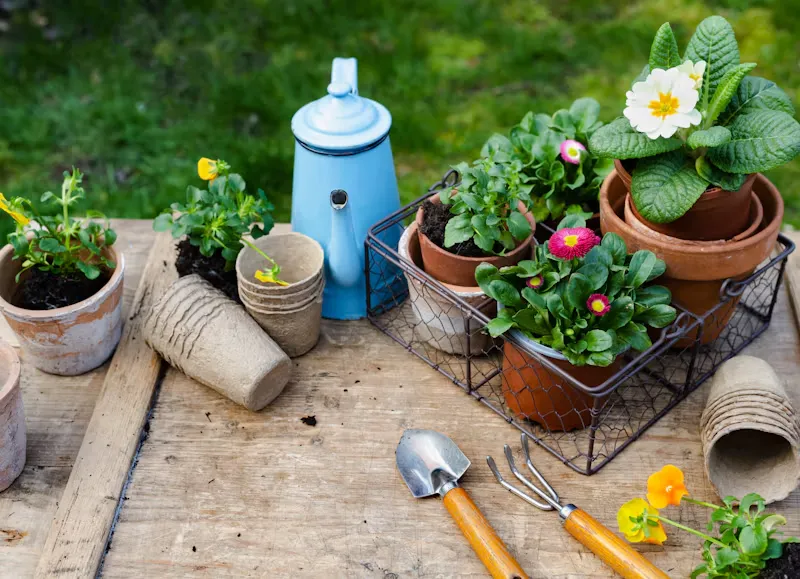
Containers are the backbone of garden decor, especially in small spaces, because you can move them around until the layout feels right.
Know Your Materials
Each material has its own look and its own limits, so it helps to know them before you buy.
Terracotta: Classic and affordable, and it lets soil breathe. It also dries out quickly, and in freezing climates wet terracotta can crack, so empty the pots or bring them inside for winter.
Glazed ceramic: It comes in many colors and holds up well outdoors. It is heavier and costs more, so check that it has drainage holes.
Metal: Metal looks sharp, but it can get hot in direct summer sun and stress the roots. Use it in partial shade, or place a plastic nursery pot inside as a liner.
Wood: Wood adds warmth and a natural feel. Choose rot-resistant types like cedar, or line the inside, so it lasts more than a season or two.
Plastic and resin: These are light, cheap, and easy to move. Good-quality resin can pass for stone or ceramic, which helps on balconies with weight limits.
Group Pots With a Plan
Clusters look more intentional than a single straight row. Group pots in odd numbers, such as three or five, and vary the heights. Put a tall plant at the back, a medium one in the middle, and a trailing one in front. Plant stands, sturdy crates, or an upside-down pot can lift the back row.
Never Skip Drainage
Pots without drainage holes hold water and can rot roots. If you love a decorative pot that has no holes, use it as an outer cover and keep the plant in a plain pot with holes inside. Empty the saucer after watering so the roots never sit in water.
Use Plants to Decorate Your Garden
Plants do most of the decorating work. The trick is to choose them for how they look together, not one at a time.
Build Color Around a Few Plants
Pick one or two flowering plants for color and let green foliage fill in the rest. Too many colors at once look busy. Petunias, geraniums, and marigolds are reliable for sunny spots in many regions, while hostas and ferns are good picks for shade.
Mix Textures and Heights
Combine different leaf shapes so the display has depth: spiky ornamental grasses, round hosta leaves, feathery ferns, and a trailing plant like sweet potato vine along the edge. Many gardeners use a simple formula for containers: one tall “thriller,” a few mounding “fillers,” and a trailing “spiller.”
Choose Low-Fuss Plants
The best-looking plant is the one that stays alive. Match each plant to the light you really have, and be honest about how often you will water. Our guide to the best plants for small spaces covers easy options for beginners. Herbs like basil, thyme, and rosemary are also useful, since they look good and end up in your kitchen.
If you have cats or dogs, check each plant on the ASPCA toxic and non-toxic plant list before you buy it.
Add Seating and Furniture
People use outdoor spaces they can sit in. Even one good seat changes how a garden feels.
Start With One Comfortable Seat
A bistro set, a small bench, or a single armchair is enough to begin. On a tiny balcony, folding chairs are a smart choice because you can put them away when you need the floor space.
Add a Small Table and Storage
A side table gives you a spot for a drink and a pot of flowers. A sturdy stool can serve as a seat one day and a plant stand the next. If you are short on storage, a bench with a lid hides cushions, gloves, and small tools.
Choose Weather-Ready Pieces
Look for powder-coated metal, teak, or resin wicker made for outdoor use. For cushions, check the label for outdoor-rated fabric, which resists fading and dries faster after rain. Even durable furniture lasts longer with a cover or a dry spot to rest during the off-season.
Light Up Your Garden
Lighting lets you enjoy your space after dark, and it is one of the cheapest ways to make a garden feel finished.
Try Solar String Lights
Solar lights need no wiring, so they are ideal for renters and beginners. Most need several hours of direct sun to charge, so place the solar panel where it actually gets light, even if the string hangs somewhere shadier. Fences, railings, and pergolas are easy spots to drape them.
Add Lanterns and Pathway Lights
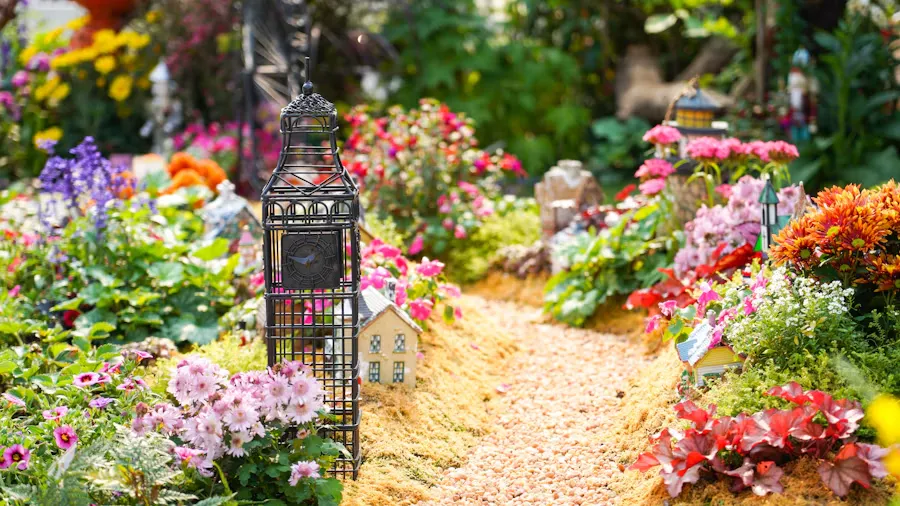
Lanterns on a table or hung from a hook add a cozy glow. Flameless LED candles are a safer pick than real flames near dry plants and fabric cushions. If you have steps or a path, low pathway lights help guests see where they are walking.
Keep the Lighting Soft and Safe
Warm white bulbs feel cozy, while cool white can feel harsh outdoors. Use only cords and plugs rated for outdoor use, and do not overload a single outlet. It is also kind to your neighbors to point lights down and away from their windows.
Add Garden Art, Water, and Soft Touches
These small details give a garden personality. They are also the easiest things to change when you want a fresh look.
Choose a Few Pieces of Garden Art
A metal sculpture, a set of painted stones, a weathered sign, or a wind spinner can all work. Pick one or two statement pieces instead of many small ones, because too many items look cluttered. Place them where the eye naturally lands, such as at the end of a path or tucked among the plants.
Consider a Small Water Feature
A tabletop fountain adds a soft sound that helps cover street noise. Solar and plug-in models are both easy to find. Keep the water clean and moving, since still water can attract mosquitoes. If small children visit your garden, choose a fountain that has no open pool of standing water.
Layer in Rugs and Cushions
An outdoor rug defines the seating area and softens a hard patio or deck. Cushions in your chosen color palette tie everything together. Pick outdoor-rated, quick-drying fabrics, and bring cushions inside or under cover when heavy rain is on the way.
How to Decorate a Garden When Space Is Tiny
A small space does not have to feel plain. It just needs a smarter plan, and the biggest gain usually comes from using height.
Go Vertical
Wall planters, hanging baskets, a trellis, or a tiered shelf let you grow and decorate without using floor space. Fasten heavy planters to a sturdy wall, and remember that watering can drip onto neighbors below, so use saucers or drip trays.
Make the Most of a Balcony or Patio
Railing planters, a folding table, and a slim bench fit most balconies. Keep the center clear so you can walk through comfortably, and choose two or three larger items instead of a dozen small ones. If you have an indoor table or windowsill to decorate too, our guide to indoor tabletop gardens has ideas that use very little room.
Choose Renter-Friendly Options
Freestanding planters, clip-on rail pots, and solar lights make changes without drilling. Check your lease first, because some buildings limit what you can hang on railings or walls. Keep everything removable so your deposit stays safe.
Refresh Your Garden Decor Through the Seasons
You do not need to redo the whole garden each season. Swapping a few small items keeps things fresh without much cost. If you live in the Southern Hemisphere, including Australia, flip the seasons below.
Spring and Summer
Bring in bright cushions, fresh flowering plants, and lighter fabrics. On hot afternoons, shade matters as much as style, so an umbrella or a shade sail makes the space usable. Keep an eye on watering, since pots dry out fast in summer heat.
Fall and Winter
Switch to warm tones with hardy mums, pumpkins, and gourds in the fall. In winter, evergreen plants in pots and string lights keep the space cheerful. Move tender plants indoors before the first frost, and store cushions and rugs so they last another year.
Common Mistakes When You Decorate a Garden
- Buying before planning. Sketch the space and choose a style and palette first, so every purchase has a place.
- Mixing too many styles. A modern chair, a rustic crate, and a bright novelty statue rarely look good together. Stick to one main look.
- Crowding the space. Leave room to walk and sit. Empty areas make the decorated parts stand out.
- Using indoor items outside. Anything not made for outdoor use can fade, rust, or fall apart after a season of sun and rain.
- Forgetting weight and drainage. Heavy pots on a balcony and pots without holes both cause trouble. Check the weight limits and drain every container.
- Ignoring the evening view. Many people enjoy their garden after work, so add soft lighting before you add more things.
Frequently Asked Questions
How do I decorate a garden for the first time?
Start with one corner. Choose a style and two or three colors, add a few grouped pots, one comfortable seat, and soft lighting. Once that corner feels right, repeat the same look in the next area.
How can I decorate my garden on a budget?
Start with plants and pots you already have, then add one or two new pieces. Painted crates, secondhand chairs, and solar lights all cost little. Buy the rest slowly, and only after you have lived with the space for a week or two.
What colors work best in a garden?
Green is already your base, so add two or three accent colors and repeat them. White, soft blue, and warm yellow are easy to combine, and a single bold color can make a good focal point.
How do I protect garden decor from the weather?
Choose items made for outdoor use, cover or store furniture and cushions in the off-season, and bring fragile pots indoors in freezing weather.
How many pots are too many?
If you can no longer walk through or sit comfortably, it is too many. A few grouped clusters usually look better than pots scattered across the whole space.
Can I decorate a rented balcony without damaging it?
Yes. Use freestanding planters, clip-on rail pots, and solar lights instead of drilling. Always check your lease for any rules about railings and walls.
What is home garden decor?
Home garden decor is the mix of plants, containers, furniture, lighting, and small accessories that you use to style your outdoor space so it feels welcoming and looks cared for.
Final Thoughts
Learning how to decorate a garden comes down to a few simple choices: a clear plan, a small set of repeated colors, plants you can actually keep alive, and one spot where you enjoy sitting. Start small, live with the space for a week, and then add or remove pieces based on how you use it.
Ready to start? Pick one corner this weekend, add a pot cluster and a string of solar lights, and build from there. For more ideas, read our full guide to small-space gardening, learn how to set up indoor tabletop gardens, or pick easy plants from our list of the best plants for small spaces. You can also browse more ideas in the Home Garden Decor category.