- Before You Start: Plan Your DIY Garden Projects
- DIY Garden Projects at a Glance
- 7 Easy DIY Garden Projects to Build This Weekend
- Make Your DIY Garden Projects Last
- Common Mistakes in DIY Garden Projects
- Frequently Asked Questions
- Final Thoughts
The best DIY garden projects are the ones you can finish in an afternoon with basic tools and a few cheap materials. A homemade planter, a simple trellis, or a pallet shelf can add growing space, save money, and make your yard feel like your own.
This guide walks you through seven easy DIY garden projects, from a raised bed to a compost bin. Each one lists what you need, how to build it, and what it costs. You will also find a simple plan, safety tips, and the mistakes that waste the most weekends. If your space is tight, our guide to small-space gardening is a good place to start.
Quick answer: The easiest DIY garden projects for beginners are a window box, a bamboo trellis, and a self-watering bottle planter. Each takes under two hours and costs under $40. When you feel ready for more, build a raised bed or a compost bin.
Before You Start: Plan Your DIY Garden Projects
A few minutes of planning saves money and keeps you from building something that does not fit your space.
Pick a Project That Fits Your Space and Skills
Look at your yard, patio, or balcony first. Note where the sun lands, how much floor space you have, and what you want to grow. A sunny balcony suits a window box or bottle planter. A backyard with room can handle a raised bed or compost bin. Start with one small project, learn from it, and then move on to bigger ones.
Gather a Basic Toolkit
Most projects here need only a few tools:
- Tape measure and pencil
- Cordless drill with drill bits
- Hand saw (or ask the store to cut your boards)
- Exterior-rated deck screws
- Sandpaper
- Work gloves and safety glasses
Stay Safe and Use Safe Materials
Before digging holes or driving posts, call 811, the free US service that marks buried utility lines. You can also request a free marking online at Call 811. Wear gloves and eye protection when cutting or drilling. For anything that will hold edible plants, avoid old railroad ties and wood of unknown age, since they may contain chemicals you do not want in your soil.
DIY Garden Projects at a Glance
| Project | Time | Estimated cost | Skill level |
|---|---|---|---|
| Raised garden bed | 2–3 hours | $50–$300, plus soil | Beginner |
| Bamboo trellis | 1 hour | $5–$20 | Very easy |
| Window box | 1–2 hours | $15–$40 | Beginner |
| Pallet vertical planter | 2–3 hours | $10–$30 | Beginner |
| Self-watering bottle planter | 30 minutes | $0–$10 | Very easy |
| Compost bin | 2–3 hours | $0–$50 | Beginner |
| Concrete stepping stones | 1 hour, plus curing | $10–$30 | Easy |
Costs are rough estimates and vary by store and region.
7 Easy DIY Garden Projects to Build This Weekend
1. Build a Simple Raised Garden Bed
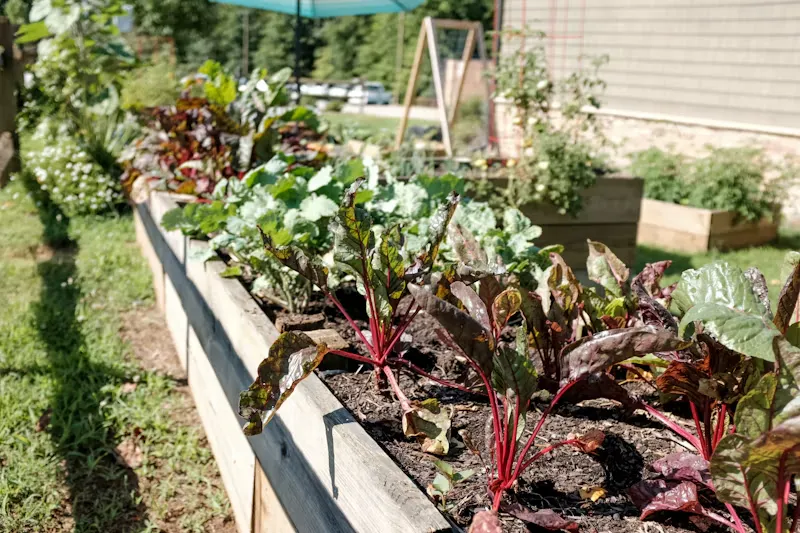
A raised bed gives you better soil, easier weeding, and a tidy look. A bed about 4 feet wide lets you reach the middle from either side without stepping on the soil.
What You Need
- Two 8-foot and two 4-foot boards (2 x 10 inches), cedar if possible
- Four short 4 x 4 corner posts, cut to the board height
- 3-inch exterior deck screws
- Cardboard, topsoil, and compost
How to Build It
- Choose a spot that gets 6 to 8 hours of sun if you plan to grow vegetables, and make sure the ground is fairly level.
- Screw the boards to the corner posts to form a rectangle.
- Set the frame in place and check that it is level. Lay flat cardboard inside to smother the grass.
- Fill with roughly half topsoil and half compost, or use a bagged raised-bed mix.
- Water well, let the soil settle for a few days, and then plant.
Untreated pine is the cheapest wood, but cedar resists rot and lasts many more years. Soil is the hidden cost, and buying it in bulk is usually cheaper than buying bags. Most vegetables do well in 8 to 12 inches of soil depth.
2. Make a Bamboo Trellis
A trellis lifts climbing plants off the ground, saves space, and keeps fruit cleaner. This teepee style takes about an hour.
What You Need
- Six bamboo canes, 6 to 8 feet long
- Garden twine
- Scissors
How to Build It
- Push the canes 8 to 12 inches into the soil in a circle about 2 feet wide.
- Lean the tops together and tie them with twine about 6 inches from the top.
- Wrap twine around the canes every foot or so to give climbing plants something to grip.
- Plant pole beans, peas, or cucumbers at the base.
For a pot, push the canes into the soil at the edge of the container. Our guide to the best plants for small spaces lists more climbers that suit tight spots.
3. Build a Window Box for Herbs
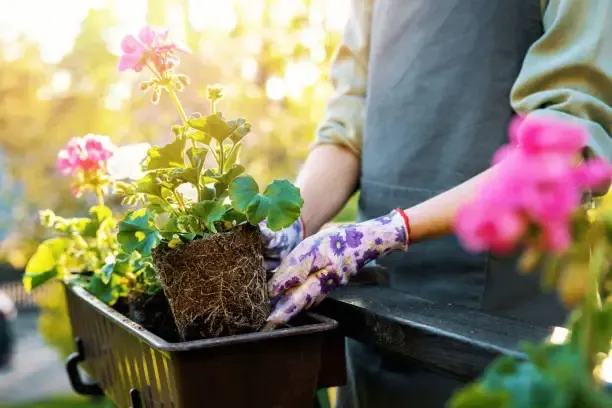
A window box puts basil, chives, and parsley right outside your kitchen. It also adds color to a plain wall.
What You Need
- Cedar or pine boards (1 x 6 inches)
- Exterior screws
- Drill with a 1/2-inch bit
- Exterior paint or stain
- Heavy-duty brackets and potting mix
How to Build It
- Cut a front, back, and bottom board to the same length. About 30 inches fits most windows. Cut two end pieces to match the box height.
- Screw the sides and ends to the bottom board.
- Drill four or five drainage holes in the bottom.
- Sand the box and seal it with exterior stain or paint.
- Mount it on brackets screwed into a stud, then fill it with potting mix, not garden soil.
A wet window box can weigh 30 pounds or more, so use strong brackets. Most herbs need at least six hours of sun.
4. Turn a Pallet Into a Vertical Planter
A pallet planter grows lettuce, herbs, strawberries, or succulents on a wall and takes almost no floor space.
What You Need
- One pallet marked “HT” (heat treated)
- Sandpaper
- Landscape fabric and a staple gun
- Potting mix and small plants
How to Build It
- Sand the pallet to remove splinters.
- Staple landscape fabric across the back, bottom, and sides so soil cannot fall out.
- Lay the pallet flat and fill the gaps with potting mix.
- Push small plants into the openings.
- Keep it flat for one to two weeks so roots can take hold, then stand it up and secure it to a wall or fence.
Skip pallets stamped “MB,” which means they were treated with a harsh pesticide. Water often, because vertical planters dry out faster than pots.
5. Make a Self-Watering Bottle Planter
This planter keeps herb soil evenly moist, which is great if you forget to water. It fits on a windowsill, so it also works for indoor tabletop gardens.
What You Need
- One clean 2-liter plastic bottle with a cap
- Scissors or a utility knife
- A cotton rope or cotton string, about 10 inches (cotton soaks up water, nylon does not)
- Potting mix and a small herb or lettuce seedling
How to Build It
- Cut the bottle in two, about one-third of the way down from the top. Keep both halves and the cap.
- Poke a small hole in the cap with a nail or drill, and thread the cotton rope through it, leaving about 4 inches on each side. Screw the cap back on the top half.
- Flip the top half upside down and set it inside the bottom half, so the rope dangles into the bottom.
- Fill the bottom half with water until the rope is wet, then fill the top half with potting mix and plant your seedling.
- Water the soil from the top once to get it going, then refill the water reservoir every few days.
Basil, mint, parsley, and lettuce all do well in this setup. If algae shows up in the clear bottle, wrap the bottom half in paper or paint it.
6. Set Up a Simple Compost Bin
Compost turns kitchen scraps and yard waste into rich soil for free. A bin about 3 feet wide and 3 feet tall works well for most backyards.
What You Need
- Four heat-treated pallets, or a roll of sturdy wire fencing
- Zip ties, screws, or wire
- A garden fork
How to Build It
- Pick a level spot with good drainage, near your garden and out of full afternoon sun.
- Stand the pallets on edge in a square and screw or wire the corners together. Leave one side loose so you can open it.
- Add “browns” (dry leaves, shredded cardboard) and “greens” (vegetable scraps, grass clippings). Aim for about two to three parts brown for every part green.
- Keep the pile as damp as a wrung-out sponge.
- Turn it with a fork every week or two.
Compost is usually ready in two to six months. Do not add meat, dairy, oily food, or pet waste. Check your city or HOA rules before you build.
7. Pour Concrete Stepping Stones
Stepping stones protect wet soil from foot traffic and give your garden a path. You can personalize each one with pebbles, glass beads, or a leaf imprint.
What You Need
- Regular concrete mix or sand mix (not fast-setting post mix, which hardens too quickly to shape)
- A 12-inch cake pan or plastic mold
- Cooking oil spray
- Gloves and a dust mask
- Sand or gravel for the base
How to Build It
- Spray the mold with oil so the stone releases easily.
- Mix the concrete with water until it looks like thick oatmeal, following the bag directions.
- Pour it into the mold, tap the sides to release air bubbles, and press in your decorations.
- Cover it and let it set for 24 to 48 hours before removing it from the mold.
- Lay the stones on a 2 to 3-inch bed of compacted sand or gravel.
One 50-pound bag makes about two or three stones this size. Concrete dust irritates skin and lungs, so always wear gloves and a mask. The stones keep hardening for about a month.
Make Your DIY Garden Projects Last
A few small habits can double the life of anything you build:
- Seal the wood with an exterior stain or sealant, and keep it off the inside of beds that hold edible plants.
- Use exterior screws. Interior screws rust and snap within a season.
- Add drainage. Every planter needs holes, or the roots will rot.
- Reuse what you can. Free pallets, old buckets, and leftover boards keep costs down.
Spring is the best time to build beds, trellises, and planters, while fall is ideal for starting a compost bin. If you live in the Southern Hemisphere, including Australia, flip those seasons.
Common Mistakes in DIY Garden Projects
- Starting too big. A huge project can stall halfway. Begin with a one-hour build and grow from there.
- Skipping drainage. Any container without drainage holes will hold water and rot roots.
- Using unsafe wood. Avoid railroad ties, old treated lumber, and pallets without the HT stamp, especially for food plants.
- Choosing the wrong spot. Most vegetables and herbs need six or more hours of sun. Watch your space for a day before building.
- Forgetting the weight. Wet soil is heavy. Check balcony limits and use strong brackets for anything you hang.
- Using garden soil in containers. It packs down and drains poorly. Use potting mix instead.
- Ignoring the rules. Renters and HOA members should check what is allowed before building or digging.
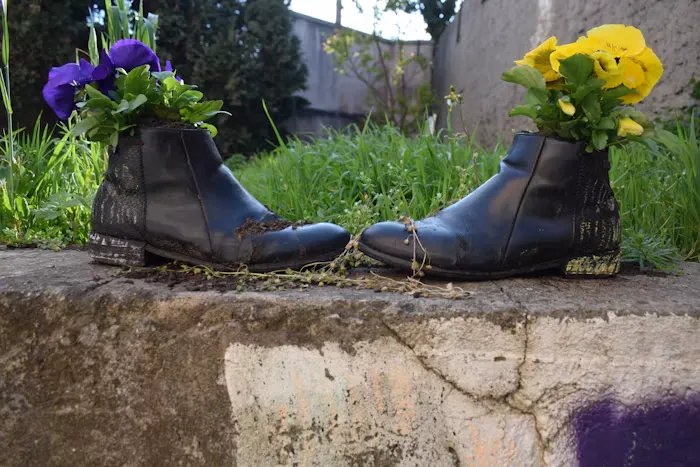
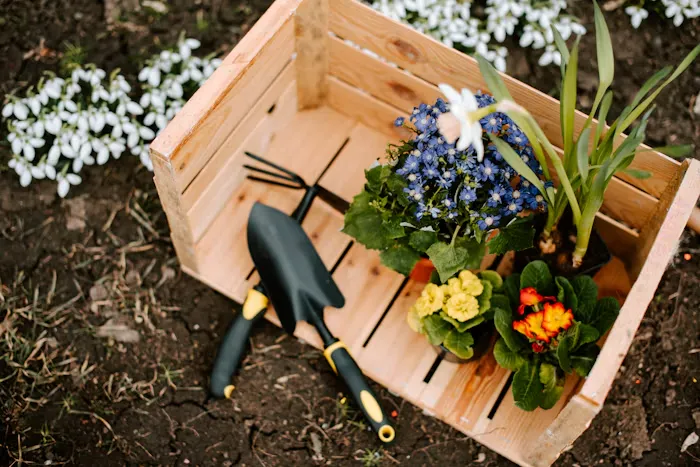
Old boots, tin cans, and wooden crates can also become charming planters. Poke a few drainage holes in the bottom, add potting mix, and plant shallow-rooted flowers or succulents.
Frequently Asked Questions
What are easy DIY garden projects for beginners?
A bamboo trellis, a window box, and a self-watering bottle planter are all simple. Each takes under two hours and uses basic tools.
How can I do DIY garden projects on a budget?
Reuse pallets, bottles, buckets, and leftover boards. Buy only the screws, soil, and plants. Most of the projects above cost under $30.
Is pallet wood safe for a garden?
Only if it is stamped “HT,” which means heat treated. Avoid any pallet marked “MB.” For extra peace of mind, line planters with landscape fabric.
What is the best wood for a raised garden bed?
Cedar is a top choice because it resists rot naturally. Untreated pine costs less but wears out much sooner.
How deep should a raised bed be?
Eight to twelve inches works for most vegetables and herbs. Root crops like carrots can use a little more.
Do I need permission to build a garden structure?
Small planters and trellises rarely need it, but renters and HOA members should check their lease or rules first. Always call 811 before digging.
Final Thoughts
DIY garden projects work best when you start small, use safe materials, and pick something that fits your space. A weekend is enough to build a planter, a trellis, or a compost bin, and each one pays you back all season in fresher food and a nicer yard.
Pick one project from this list and start this weekend. For more ideas, read our guide to small-space gardening, set up indoor tabletop gardens, choose easy plants from our best plants for small spaces, or learn how to decorate a garden. You can also browse the full Home & Garden Decor category.